Why Starting Counselling Can Feel So Difficult
Taking the first step towards counselling is often the hardest part.
For many people, the decision to reach out doesn’t happen overnight. It can take weeks, months or even years before someone feels ready to contact a counsellor.
You may have found yourself thinking:
“I should be able to deal with this on my own.”
“What if counselling doesn’t help?”
“What if I don’t know what to say?”
“What if people think I’m weak?”
“Maybe things aren’t bad enough yet.”
These thoughts are incredibly common, and if you’ve had any of them, you’re certainly not alone.

Why We Often Delay Seeking Support
As human beings, we’re remarkably good at coping.
We push through difficult days, carry responsibilities, support other people and tell ourselves we’ll deal with our own feelings later.
Sometimes that works for a while.
But often, what starts as stress, anxiety or overwhelm can gradually become harder to manage.
Many people who come to counselling tell me they’ve spent months trying to cope alone before reaching out.
Not because they didn’t need support.
Because they felt they should be able to manage without it.
The reality is that seeking support isn’t a sign of weakness.
It’s a sign of self-awareness.
Common Myths About Counselling
One of the biggest barriers to counselling is misunderstanding what it actually involves.
Many people assume:
Counselling is only for people in crisis
You have to know exactly what’s wrong
You’ll be judged
You’ll be told what to do
You’ll be expected to share everything immediately
None of these things are true.
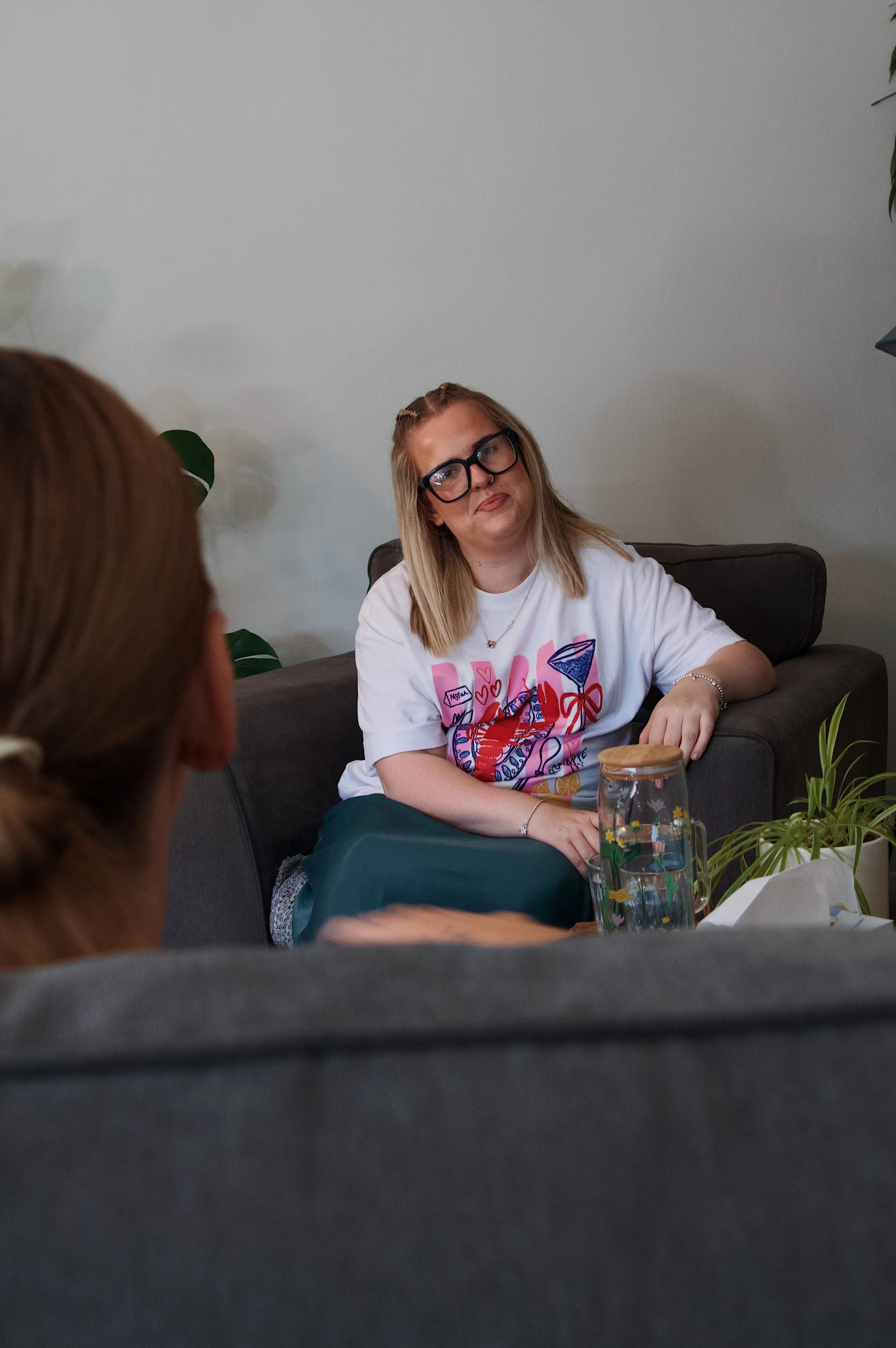
Counselling is simply a space where you can talk openly about what’s happening in your life with someone who is there to listen, support and understand.
What If I Don’t Know What To Say?
This is probably one of the most common concerns people have.
The truth is, you don’t need to prepare a speech.
You don’t need a list of problems.
You don’t even need to know exactly why you’re feeling the way you do.
Many people arrive at their first session saying:
“I don’t really know where to start.”
That’s completely okay.
Part of counselling is giving yourself permission to explore your thoughts and feelings without needing all the answers straight away.
Taking The First Step
Whether you’re experiencing anxiety, low mood, grief, relationship difficulties or simply feeling overwhelmed, counselling can provide a safe space to pause and reflect.
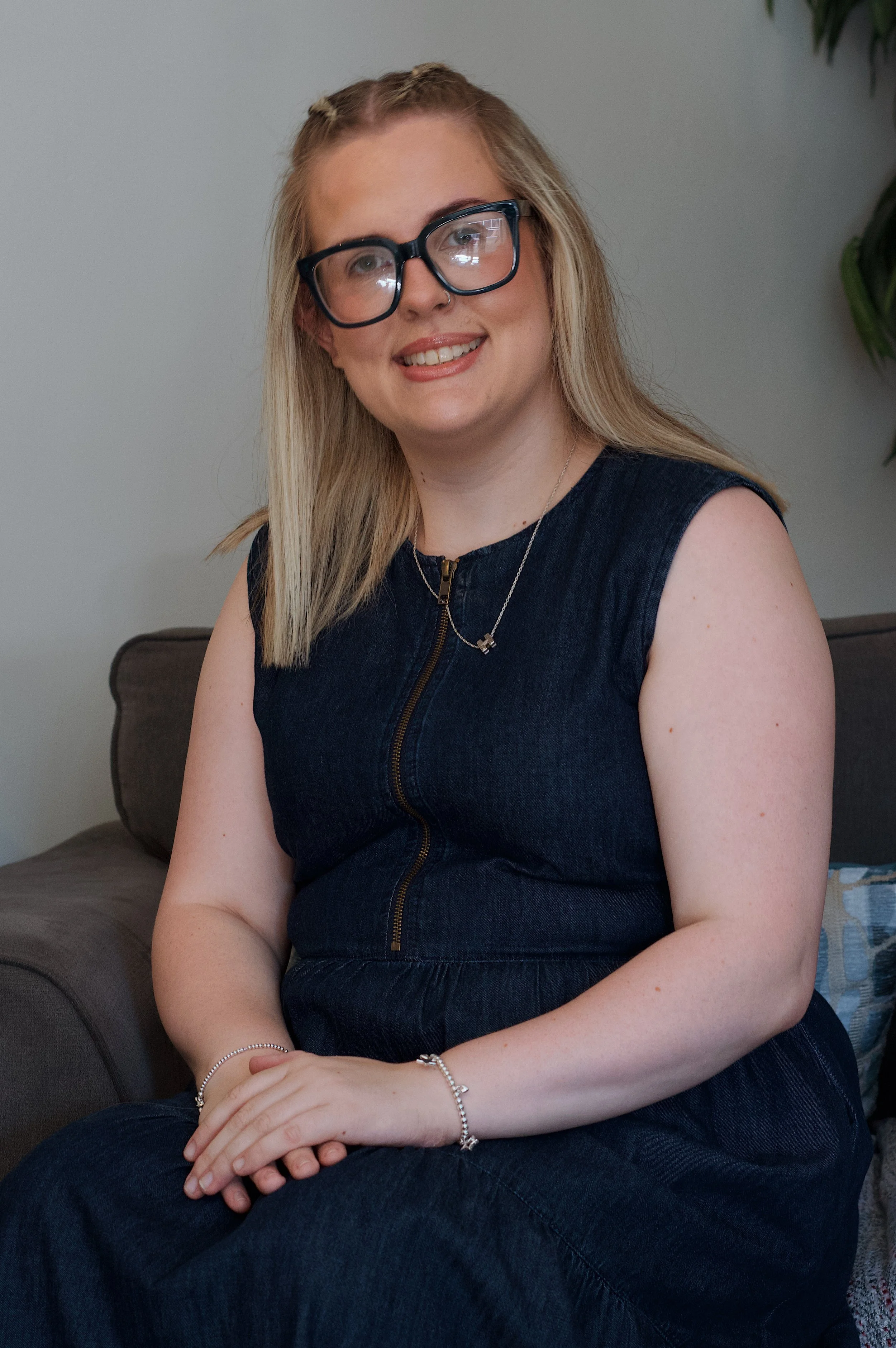
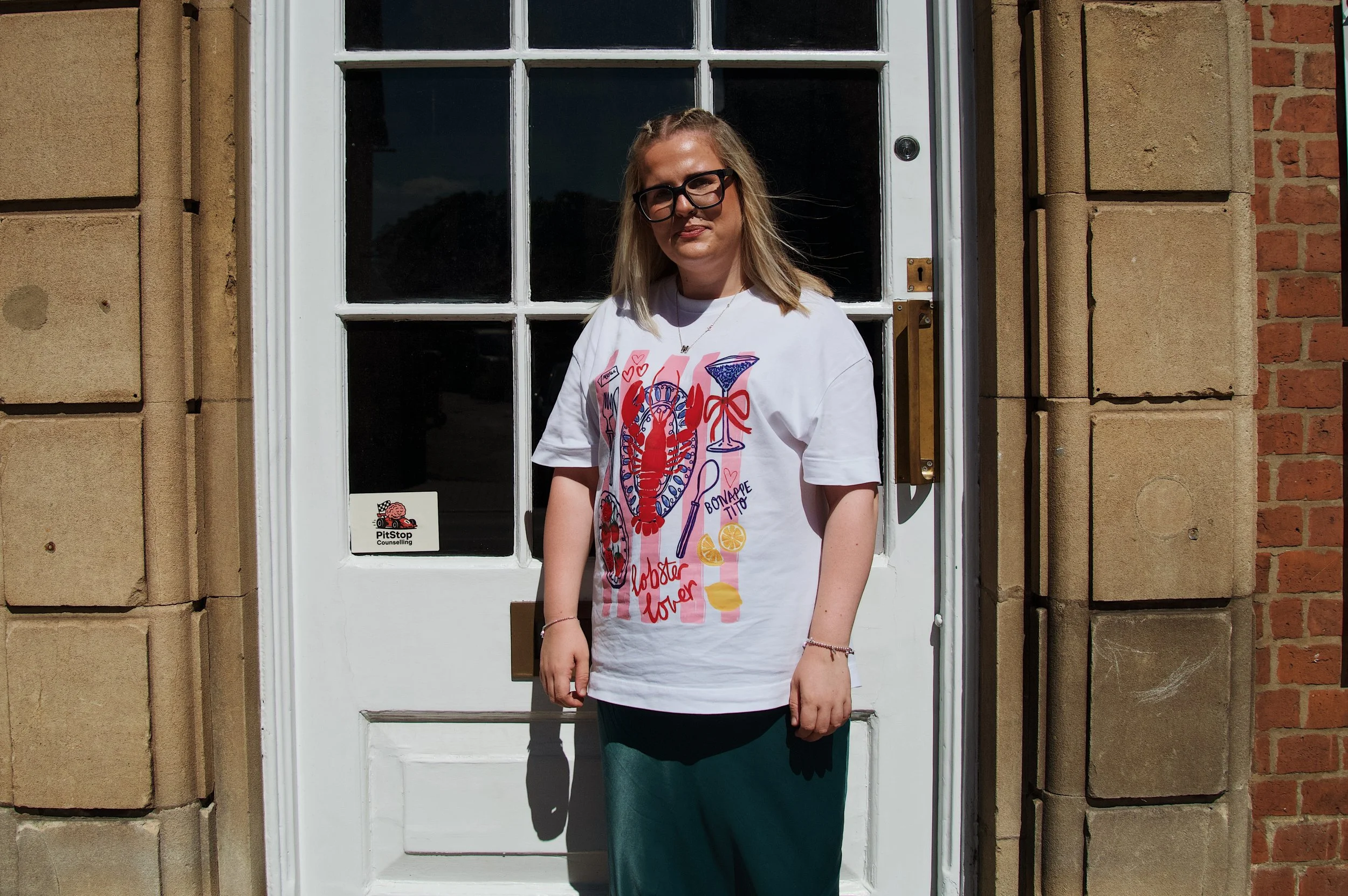
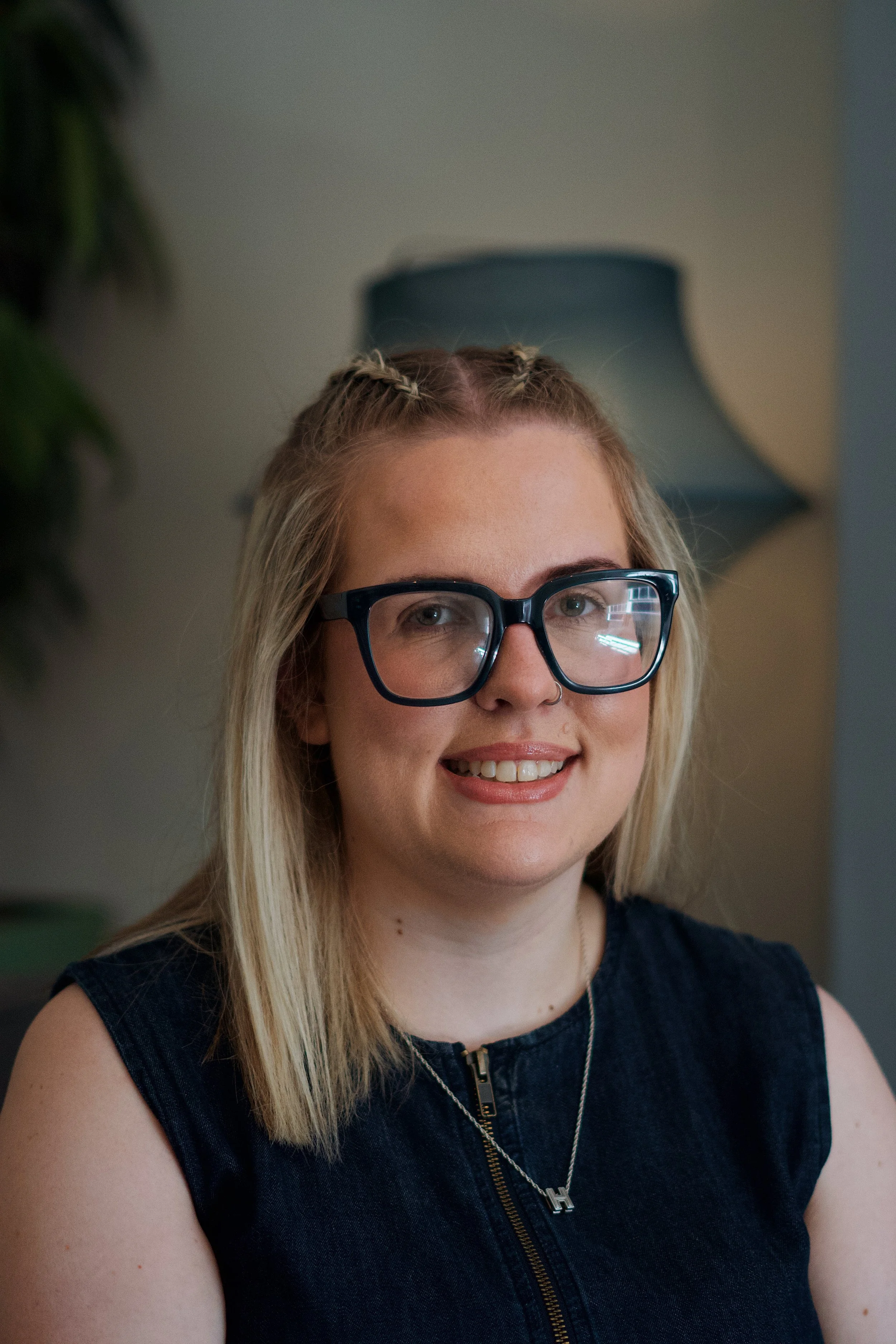
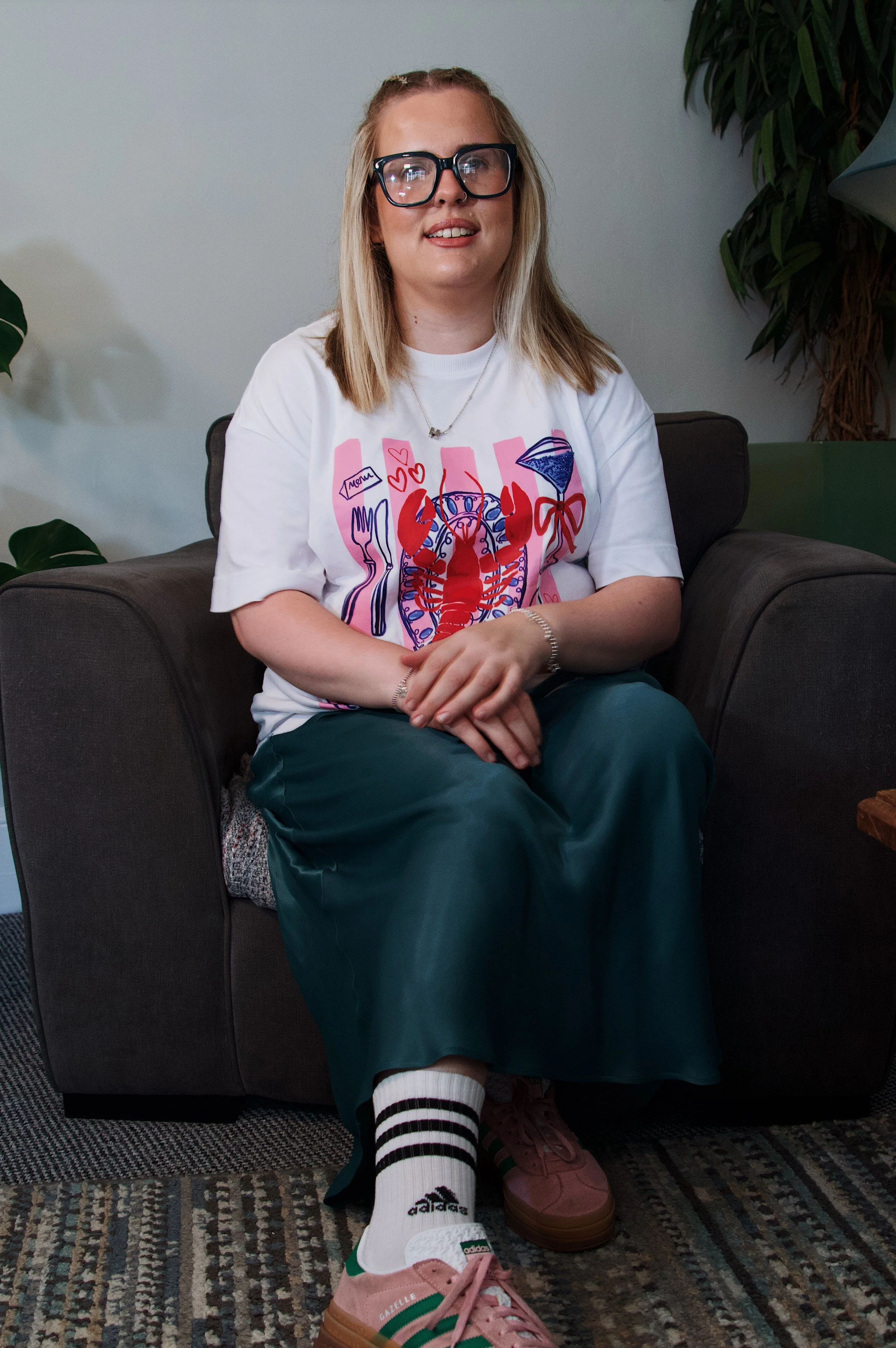
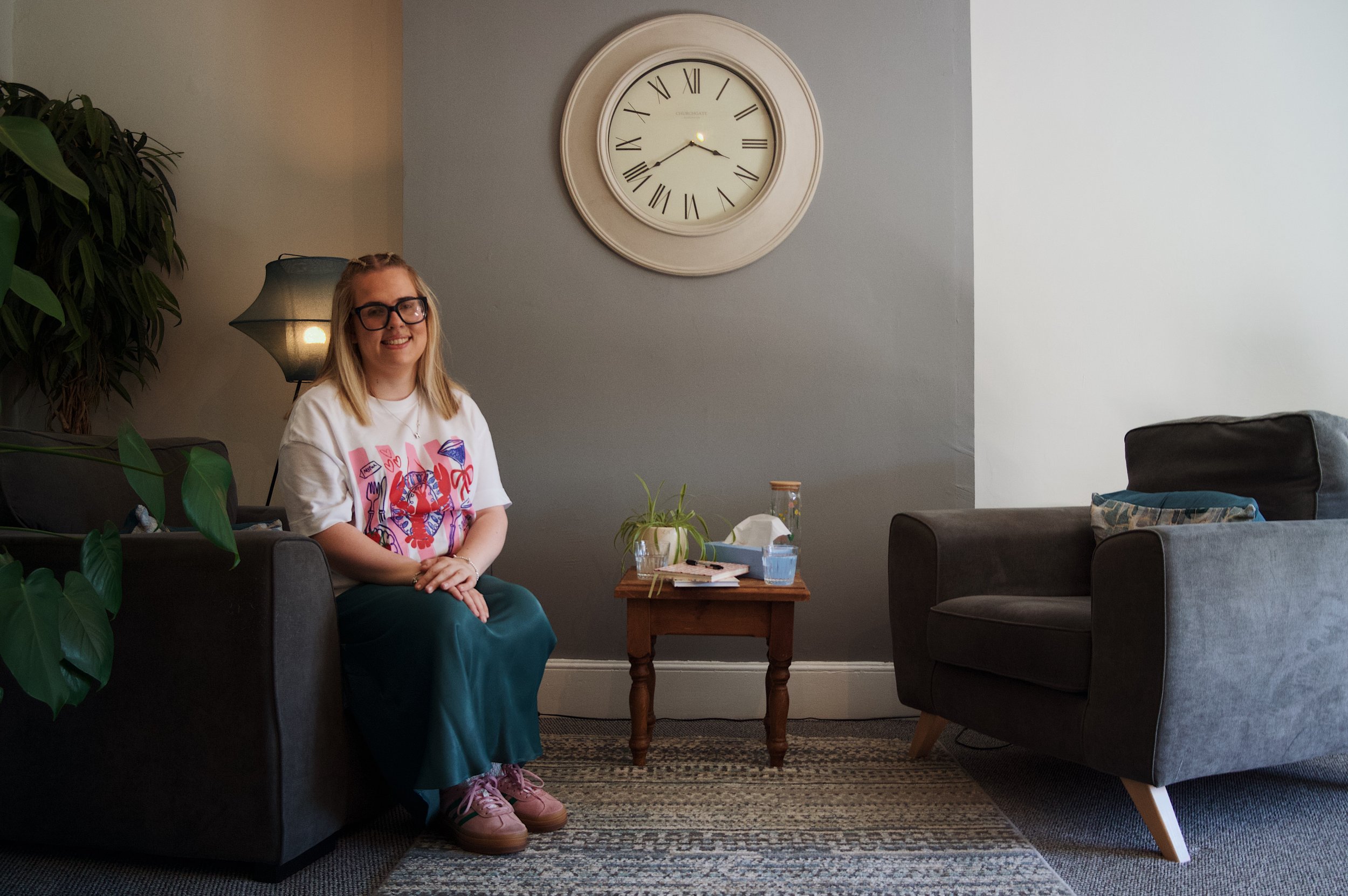
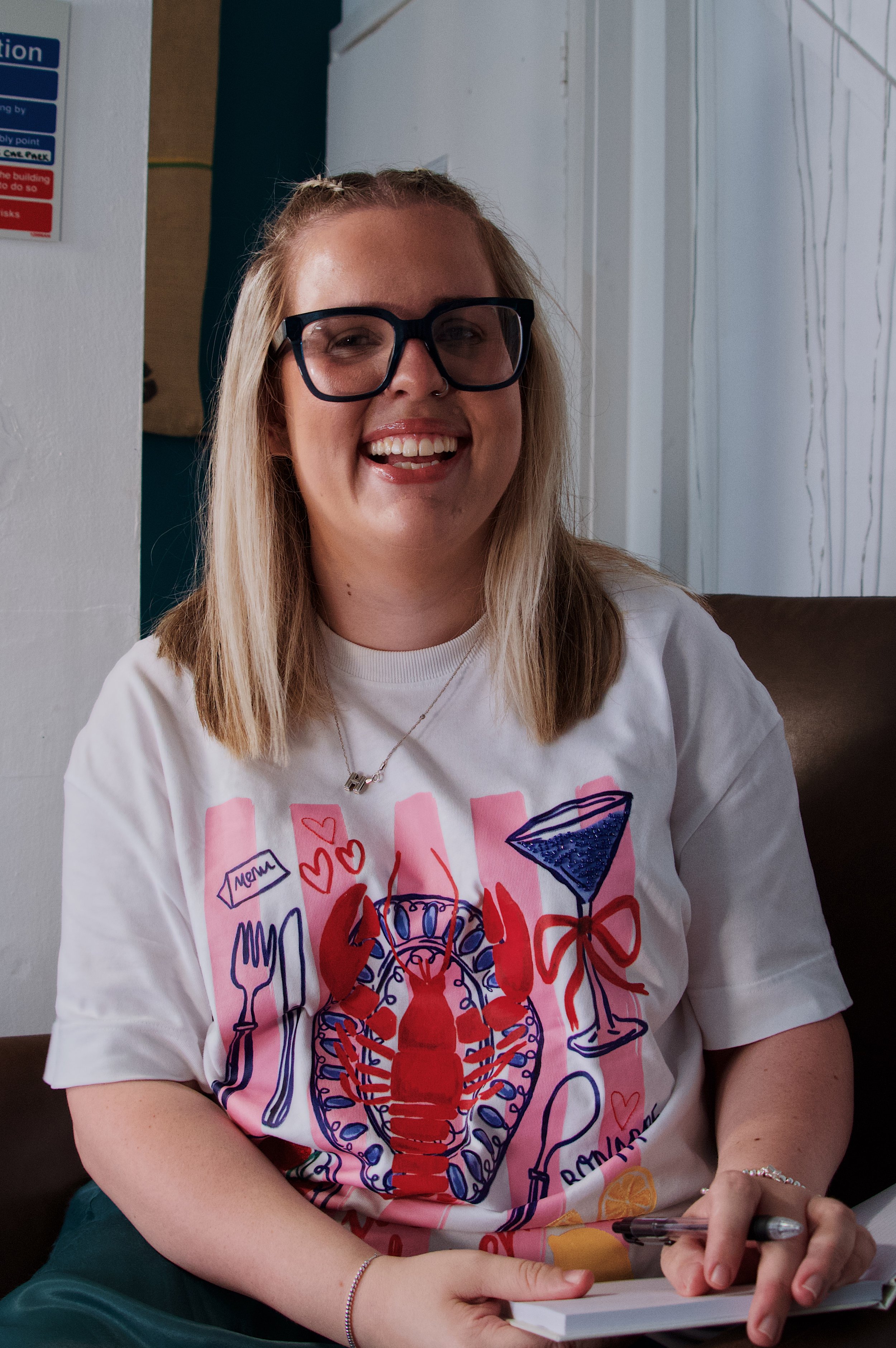
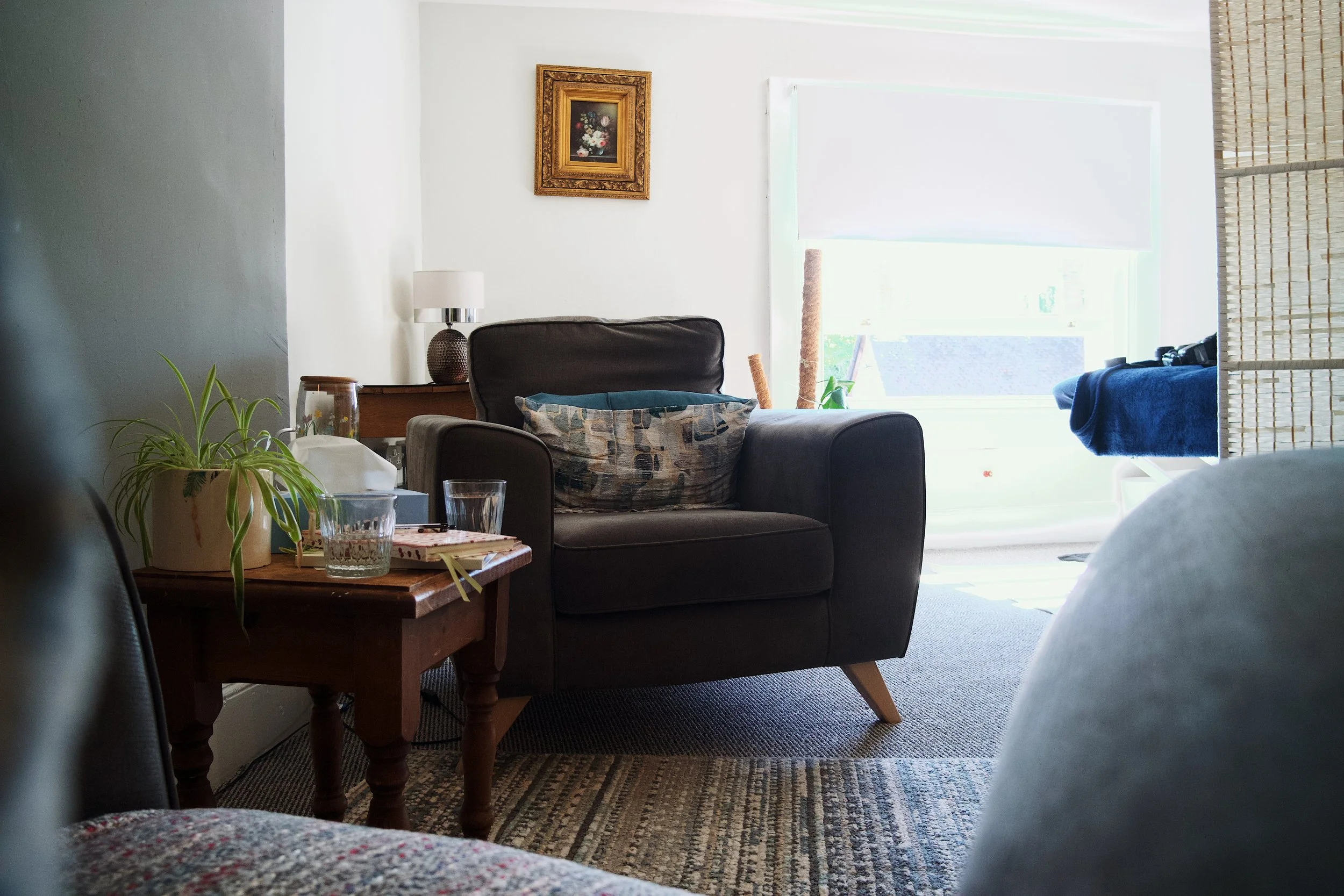
At PitStop Counselling in Melton Mowbray, my aim is to create a warm, supportive and non-judgemental environment where you feel comfortable being yourself.
You don’t have to have everything figured out.
You simply need somewhere to start.
Final Thoughts
If you’ve been thinking about counselling for a while, perhaps this is your reminder that it’s okay to ask for support.
Reaching out doesn’t mean you’ve failed.
It means you’re giving yourself the opportunity to be heard, understood and supported.
And that can be the beginning of meaningful change.
Thinking About Starting Counselling?
If you’d like to find out more about counselling or arrange an initial conversation, I’d be happy to hear from you.
